











A Step-by-Step Break Down of the Indiana Supreme Court Case
Indiana Supreme Court Case: Seo v. State of Indiana
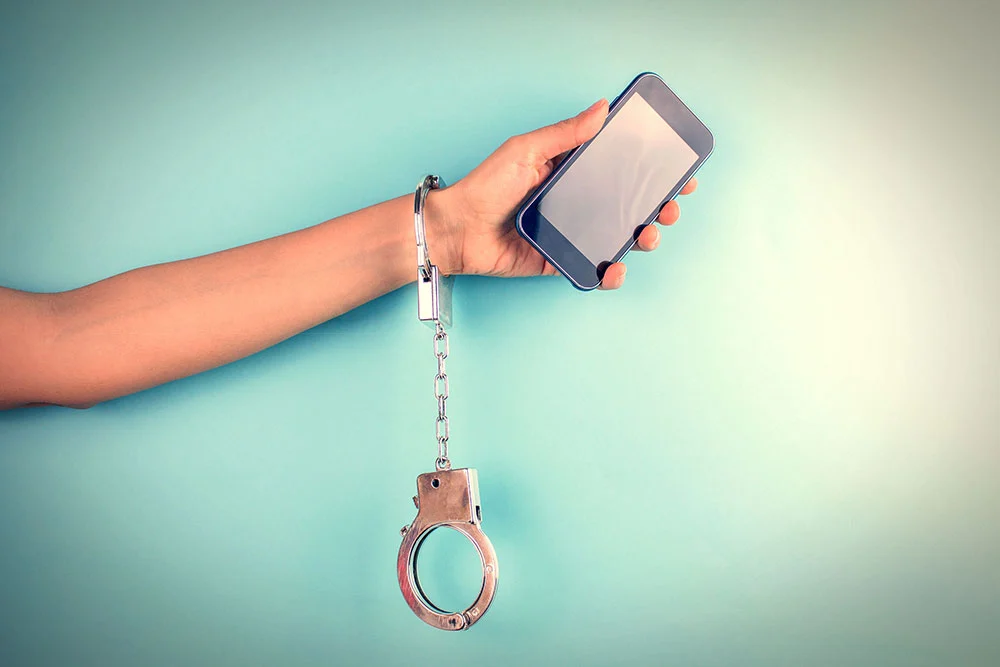
The Seo v. State of Indiana case has garnered attention as a pivotal legal matter regarding privacy rights and self-incrimination. Referred to by Webster & Garino as the Indiana Supreme Court “cell phone case”, it concerns Fifth Amendment rights against forced testimony. Attorney William Webster, representing Ms. Seo, has been involved in this case since July 2017. The case centers on the demand by Indiana investigators for Ms. Seo’s iPhone 7 passcode, to search for evidence of alleged stalking and threatening text messages.
The Legal Battle: Compelled Testimony and the Fifth Amendment
Ms. Seo invoked her Constitutional Fifth Amendment right against self-incrimination, refusing to provide the passcode. The Indiana Trial Court rejected this defense, asserting that unlocking a phone did not qualify as compelled testimony. This ruling led to contempt of court charges against Ms. Seo.
Mr. Webster, of Webster & Garino, argued that forcing Ms. Seo to give the passcode was akin to compelling her to share memorized information, thus violating her Fifth Amendment rights. He cited Doe v. United States, which differentiates between physical access to evidence and compelling a person to share knowledge.
Victory on Appeal and the Case’s Progression
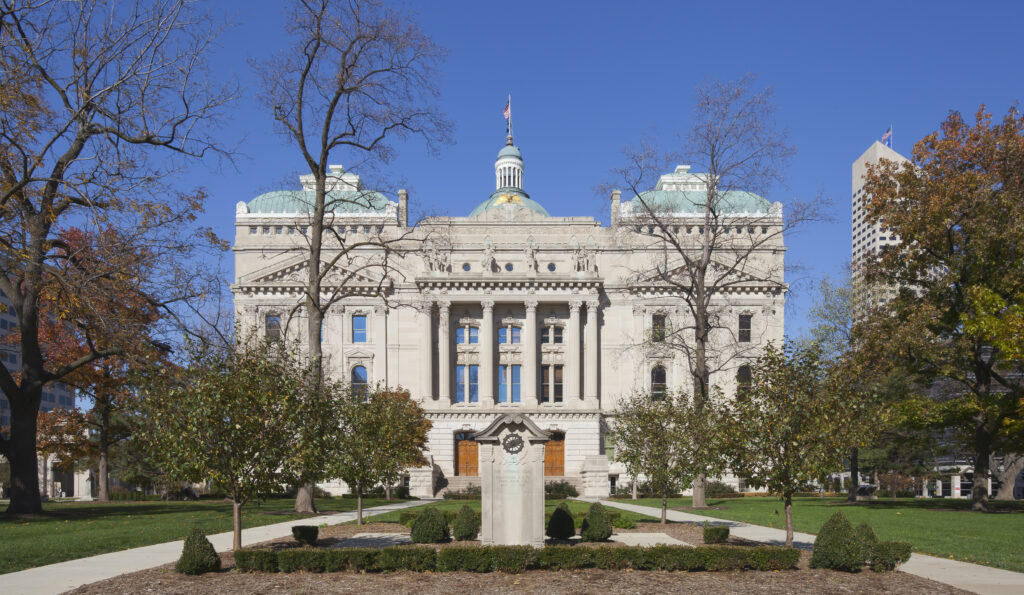
The Court of Appeals of Indiana sided with Ms. Seo, acknowledging her right to use the Fifth Amendment in this situation. The court reversed the initial ruling, which led to the State of Indiana appealing the case to the Indiana Supreme Court. On April 18, 2019, the Supreme Court heard the case, with Mr. Webster continuing to advocate for the protection of individual privacy rights under the Fifth Amendment.
The State’s Argument and the “Foregone Conclusion” Exception
The State’s argument was grounded in the “foregone conclusion” exception to the Fifth Amendment, referencing Fisher v. United States. This exception allows the government to compel testimony when the existence of certain evidence is already known, such as in the case of financial records. However, Mr. Webster distinguished Fisher from Seo’s case, emphasizing that police had no knowledge of the contents of Ms. Seo’s phone, and therefore, it could not be considered a foregone conclusion.
Implications for Privacy Rights and Law Enforcement
A decision favoring Ms. Seo could bolster privacy rights across the country, particularly regarding cell phone search protocols. It could limit the government’s ability to invade personal privacy with minimal justification. In contrast, a ruling in favor of the State could expand law enforcement powers, granting the government broader access to private information stored on personal devices like smartphones.
Potential National Impact
This case holds significant implications for privacy rights, particularly as other states and organizations, such as the American Civil Liberties Union, await the outcome. A ruling that strengthens privacy protections could have a nationwide effect on the extent to which authorities can access private information on devices without violating constitutional rights.
Why It Matters for You
As Webster & Garino continues to advocate for privacy protections and Fifth Amendment rights, the outcome of this case could have lasting consequences for individual rights and law enforcement practices in Indiana and beyond. For residents in Indiana concerned about their constitutional rights, particularly regarding criminal defense and divorce mediation, consulting an experienced attorney from Webster & Garino can provide valuable insights into the evolving landscape of privacy law.
Attorneys at Webster & Garino argue case before supreme court of Indiana